Television has revolutionized the way we consume stories, emotions, and entertainment. From heartwarming dramas to edge-of-your-seat thrillers, the magic behind your favorite TV shows often goes unnoticed. In this article, we will take a comprehensive look at what happens behind the scenes, exploring the processes, craft, and passion that create the television series we know and love.
The Evolution of Television
A Brief History
Television has come a long way since its inception in the early 20th century. The migration from black-and-white screens to full-color images was just the beginning. The introduction of cable TV in the 1980s broadened content diversity, paving the way for an age filled with groundbreaking series.
Streaming Revolution
The arrival of streaming platforms such as Netflix, Hulu, and Disney+ has transformed how viewers access content. Today, binge-watching entire seasons is a common practice, which has affected the way content is produced and marketed. This paradigm shift has allowed for innovative storytelling that breaks traditional molds.
The Creative Process
Writers: The Visionaries
The backbone of any successful TV show is its writing team. Writers not only develop story arcs but also create multi-dimensional characters that resonate with audiences. This requires a blend of creativity, structure, and collaboration.
- Storyboarding: Writers often begin with storyboards or outlines to visualize the flow of the narrative.
- Script Development: The transition from an outline to a full script involves multiple drafts and revisions.
Related Article: The Art of Screenwriting
Directors: The Artistic Architects
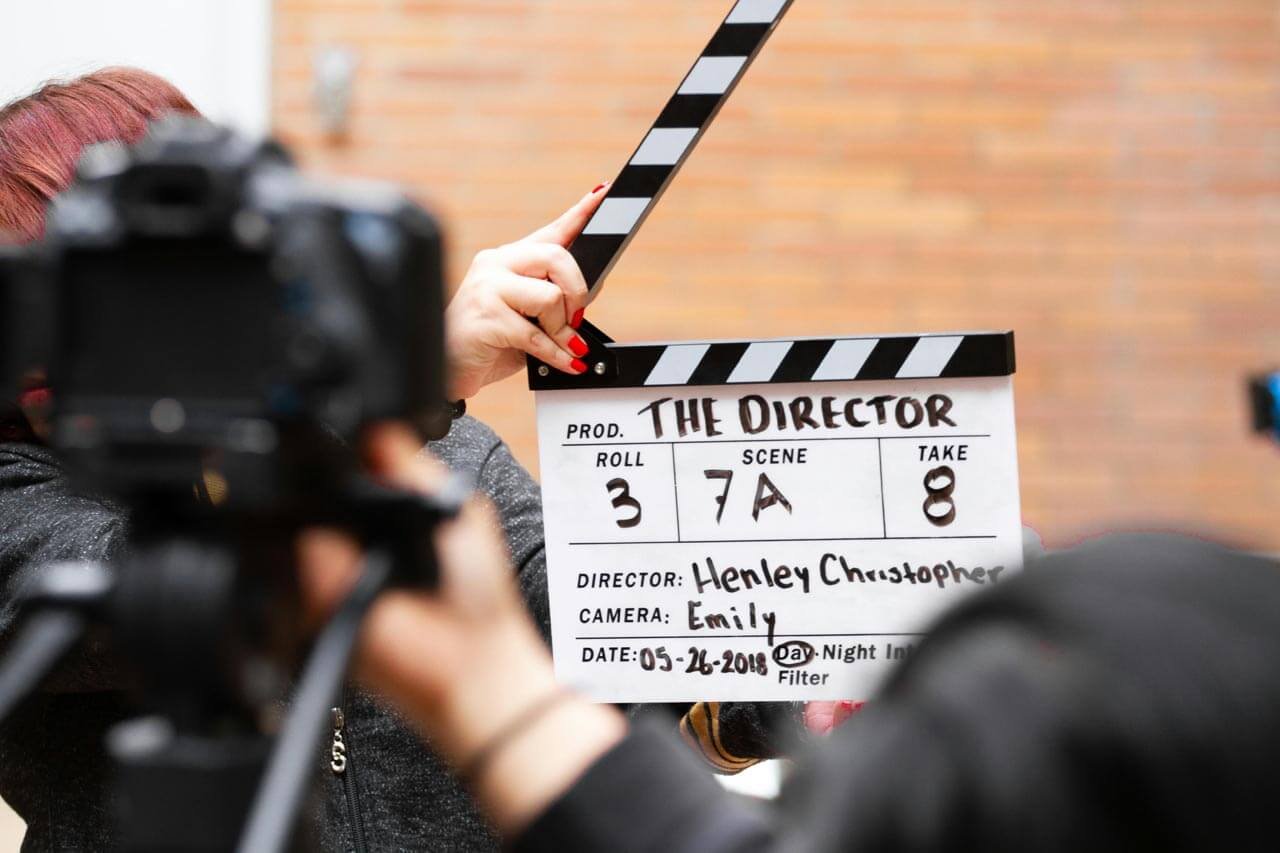
Directors play a critical role in shaping the visual style of a show. They interpret the script and translate it into various elements such as cinematography, pacing, and actor performances.
- Casting Choices: Selecting the right actors is a fundamental step in bringing characters to life. Directors usually conduct auditions to find actors that fit the vision.
- Rehearsals: Before cameras start rolling, directors conduct rehearsals to ensure a seamless performance.
Production Design: Crafting the World
Creating an immersive world is essential for storytelling. Production designers collaborate closely with directors and cinematographers to set the tone through locations, sets, and props.
- Set Construction: Intricate sets are built to realistically replicate locations described in the script.
- Costuming: The wardrobe plays a vital role in character development and helps to visually narrate the story.
Cinematography: The Visual Storytelling
The Role of the Cinematographer
Cinematographers, also known as Directors of Photography (DoP), are responsible for capturing the visual essence of the show. They work closely with the director to select camera angles, lighting, and color schemes.
- Lighting Techniques: Proper lighting can significantly influence the mood of a scene. For example, softer light may evoke a sense of warmth, while harsher lighting might create tension.
- Camera Movement: Dynamic camera work, such as tracking shots or handheld filming, can enhance the viewer’s experience.
Post-Production: The Final Touch
Post-production is where the magic truly happens. Editors weave together the filmed sequences to create a cohesive story. They use various software tools to cut, splice, and arrange footage.
- Sound Design: The sound is as important as the visuals. Sound designers and editors work to add sound effects, dialogue, and background music that elevate the storytelling.
- Color Grading: This step enhances the visual aesthetic of the show, ensuring that the colors evoke the intended emotions.
Visual Effects (VFX)
In many contemporary shows, visual effects play a crucial role in storytelling. Whether it’s creating elaborate backgrounds or adding fantastical elements, VFX teams are essential for modern television.
- Integration with Live Action: Skillful integration of VFX with live-action footage can create otherworldly experiences for viewers.
Related Article: The Importance of Post-Production in Film
Building Anticipation
Marketing strategies for TV shows often play a crucial role in their success. From trailers to social media campaigns, brands build anticipation ahead of a series launch.
- Teaser Campaigns: Short teaser clips can spark excitement, giving potential viewers a taste of what’s to come.
- Social Media Engagement: Platforms like Instagram and Twitter enable direct engagement with fans, creating communities around shows.
Audience Engagement
Once a show is aired, engaging with the audience becomes vital. Feedback from viewers can inform decisions about future seasons or spin-offs.
Challenges Faced in Production
Time Constraints
Time management is one of the biggest challenges in TV production. Writers and directors typically have tight deadlines, which can lead to high-pressure situations.
Budgeting
Adhering to a budget while ensuring quality remains a crucial balancing act. Production teams must make choices that can impact the overall quality of the show.
The Future of Television
Technological Advancements
Emerging technologies, such as virtual reality and interactive storytelling, are likely to shape the future of television. As technology advances, so too will the creative possibilities for storytelling.
Audience Preferences
As viewers demand more diverse and inclusive storytelling, creators are tasked with producing content that resonates with a broader audience. This presents both a challenge and an opportunity for innovative narratives.
Conclusion
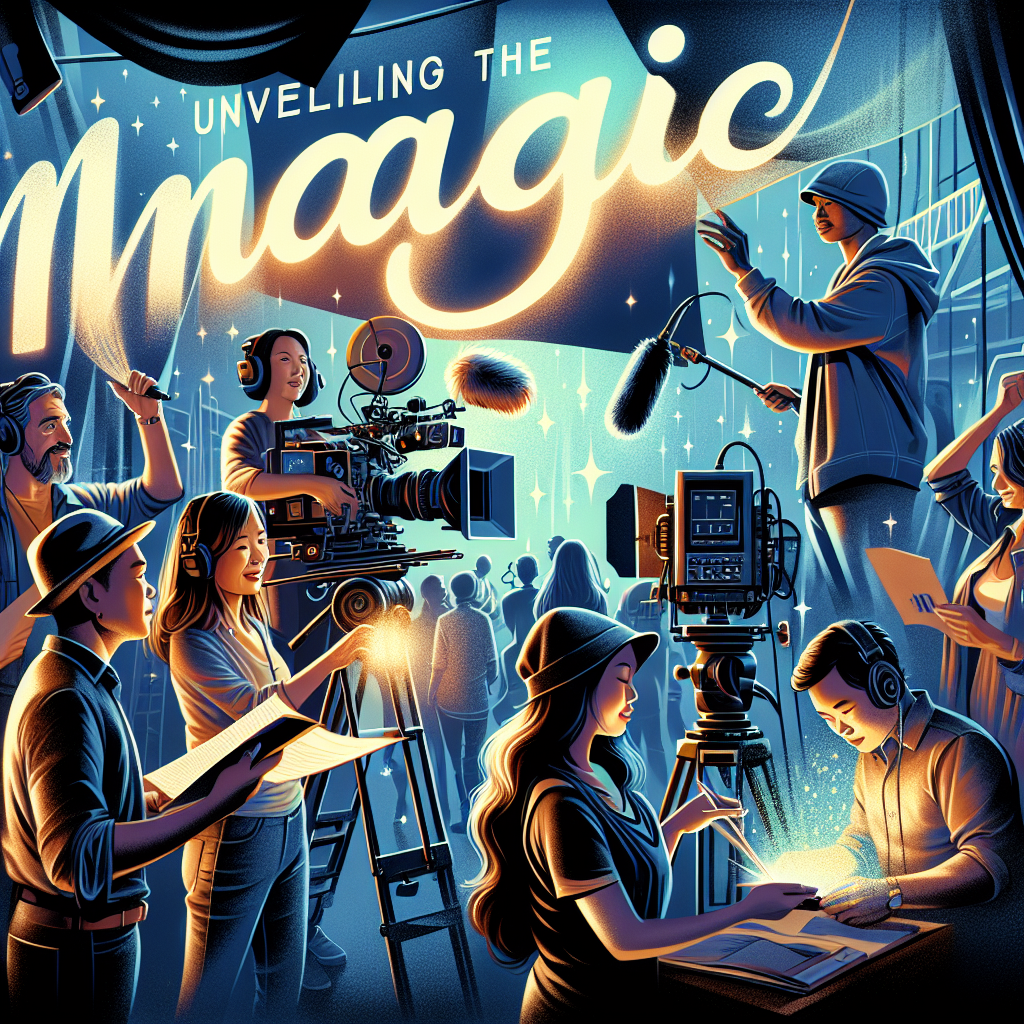
Behind every beloved TV show lies a complex and fascinating world filled with creative professionals who bring stories to life. From the writers and directors to the editors and marketing teams, each element is integral to crafting a coherent and engaging experience for viewers.
As the landscape of television continues to evolve, understanding the magic that happens behind the scenes allows us to appreciate the artistry and effort that goes into our favorite shows. Whether you’re an entrepreneur, marketer, or simply a curious viewer, peeling back the layers of production offers insights into the creativity and hard work that makes television an enduring form of entertainment.
This article adheres to Google AdSense’s content policies and has been optimized for SEO. For further insights into related topics, feel free to explore more articles on our website.


















Comments are off for this post.