Comedy has evolved significantly over the years, mirroring societal changes, technological advancements, and shifting cultural norms. Sitcoms, or situational comedies, have played a crucial role in shaping comedic narratives and styles. This article delves deep into the evolution of comedy, focusing on key sitcom highlights across the decades.
Table of Contents
- The Birth of Sitcoms: 1940s – 1950s
- The Golden Age of Television: 1960s – 1970s
- Breaking New Ground: 1980s – 1990s
- The Post-Modern Era: 2000s – Present
- Conclusion
- Frequently Asked Questions (FAQs)
The Birth of Sitcoms: 1940s – 1950s
Early Beginnings and Influences
The roots of sitcoms can be traced back to radio comedies of the 1930s and 1940s, such as Amos ‘n’ Andy and Fibber McGee and Molly. The transition to television brought about a new platform for these comedic narratives.
Iconic Sitcoms of the Time
-
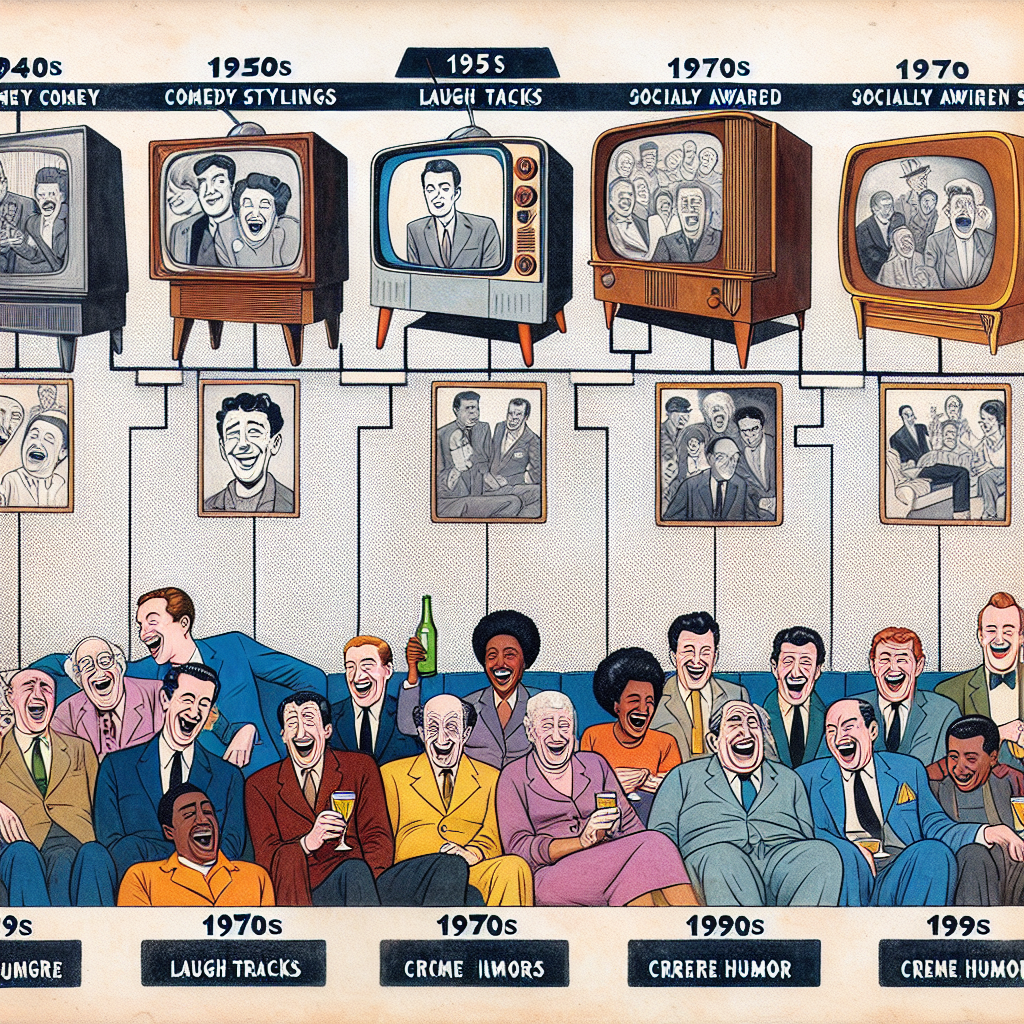
I Love Lucy (1951): Starring Lucille Ball and Desi Arnaz, this groundbreaking show introduced the concept of the multi-camera setup, which allowed for laughter tracks and studio audiences. The show’s success set the standard for future sitcoms.
- The Honeymooners (1955): A representation of working-class life, this sitcom highlighted the everyday struggles of Ralph Kramden and his wife, Alice. Its impact on comedy and television cannot be overstated.
Cultural Impact
The sitcoms of the 1940s and 1950s often reflected the traditional family values and gender roles predominant in society at the time. They provided a comedic escape while subtly addressing real-life issues such as poverty, marriage, and friendship.
The Golden Age of Television: 1960s – 1970s
A Shift in Themes and Styles
The 1960s marked a significant turning point in sitcom themes, as shows began to address more progressive social issues including feminism, civil rights, and counterculture.
Notable Sitcoms of the Era
The Evolution of Comedy Techniques
This era also saw the introduction of more complex narrative structures and character development. Sitcoms began to prioritize character-driven storytelling, paving the way for future innovations in comedic narratives.
Breaking New Ground: 1980s – 1990s
The Rise of Anti-Heroes and Diverse Narratives
The 1980s and 1990s introduced a wave of new sitcoms that deviated from traditional formats, focusing on more flawed characters and unconventional storylines.
Influential Sitcoms
The Impact of Technology
The advent of cable television and the increase in television channels provided a breeding ground for more niche sitcoms, allowing for a broader range of themes and comedic styles to flourish.
The Post-Modern Era: 2000s – Present
The Era of Diversity and Innovation
The 2000s and 2010s saw sitcoms embracing diversity in both storytelling and representation, reflecting a more inclusive society.
Key Sitcoms of the Modern Age
Streaming Services and New Opportunities
The rise of streaming platforms, such as Netflix and Hulu, has changed the distribution landscape for sitcoms. This has allowed for greater creative freedom, leading to a surge in innovative storytelling.
Conclusion
From the classic formulas of the 1940s and 1950s to the diverse and sophisticated narratives of today, sitcoms have continuously evolved, adapting to cultural changes while providing humor and reflection on everyday life. They have played an essential role in not only entertaining audiences but also in shaping societal narratives.
As we look to the future, the evolution of comedy will undoubtedly continue, with new voices and perspectives emerging in the storytelling landscape.
Frequently Asked Questions (FAQs)
-
What defines a sitcom?
- A sitcom, or situational comedy, is a genre of comedy centered around a fixed set of characters in a consistent environment that tackles humorous situations.
-
How have sitcoms influenced culture?
- Sitcoms often reflect societal norms and challenges, acting as both a mirror and a commentary on contemporary issues while influencing public perceptions.
- What are some modern sitcoms to watch?
- Notable modern sitcoms include Brooklyn Nine-Nine, The Good Place, and Schitt’s Creek, each offering unique perspectives and humor.
For more insights on comedy and entertainment, check out our relevant articles on Serached.


















Comments are off for this post.