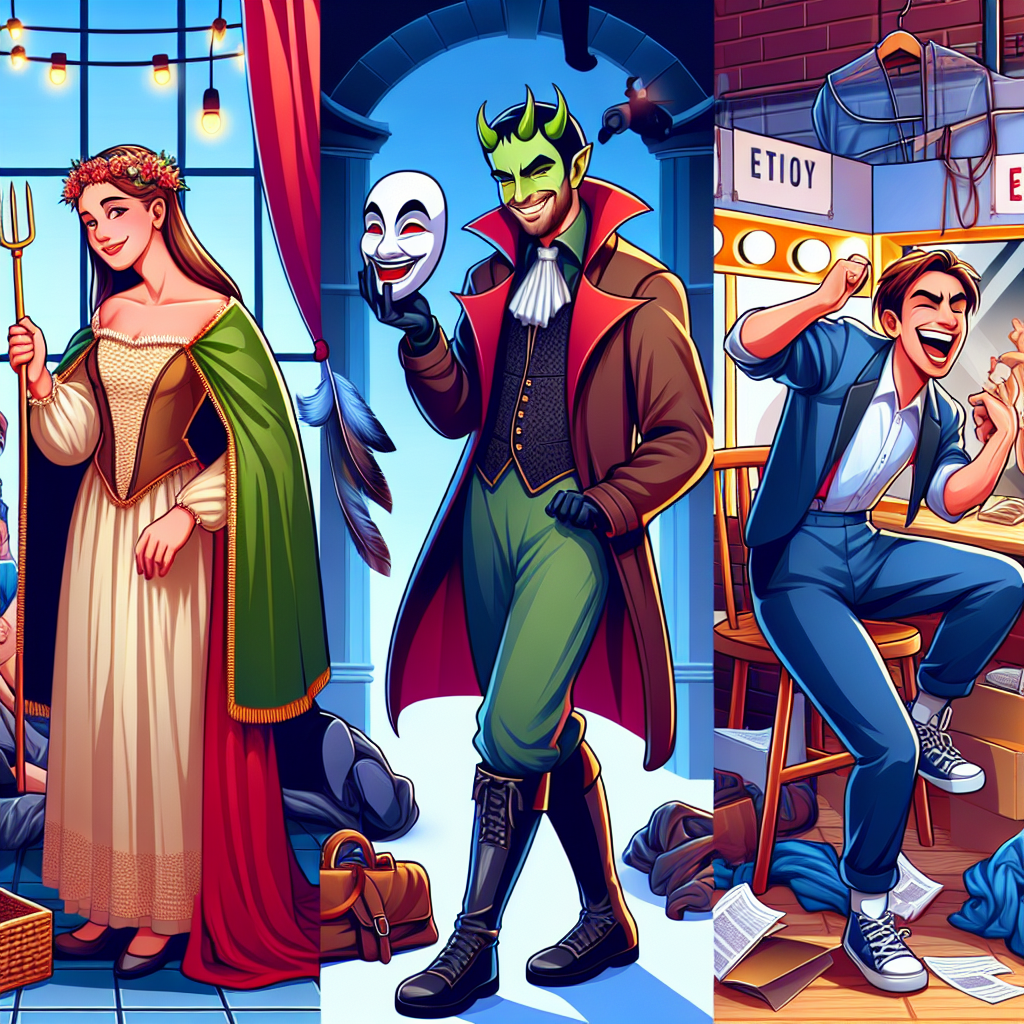
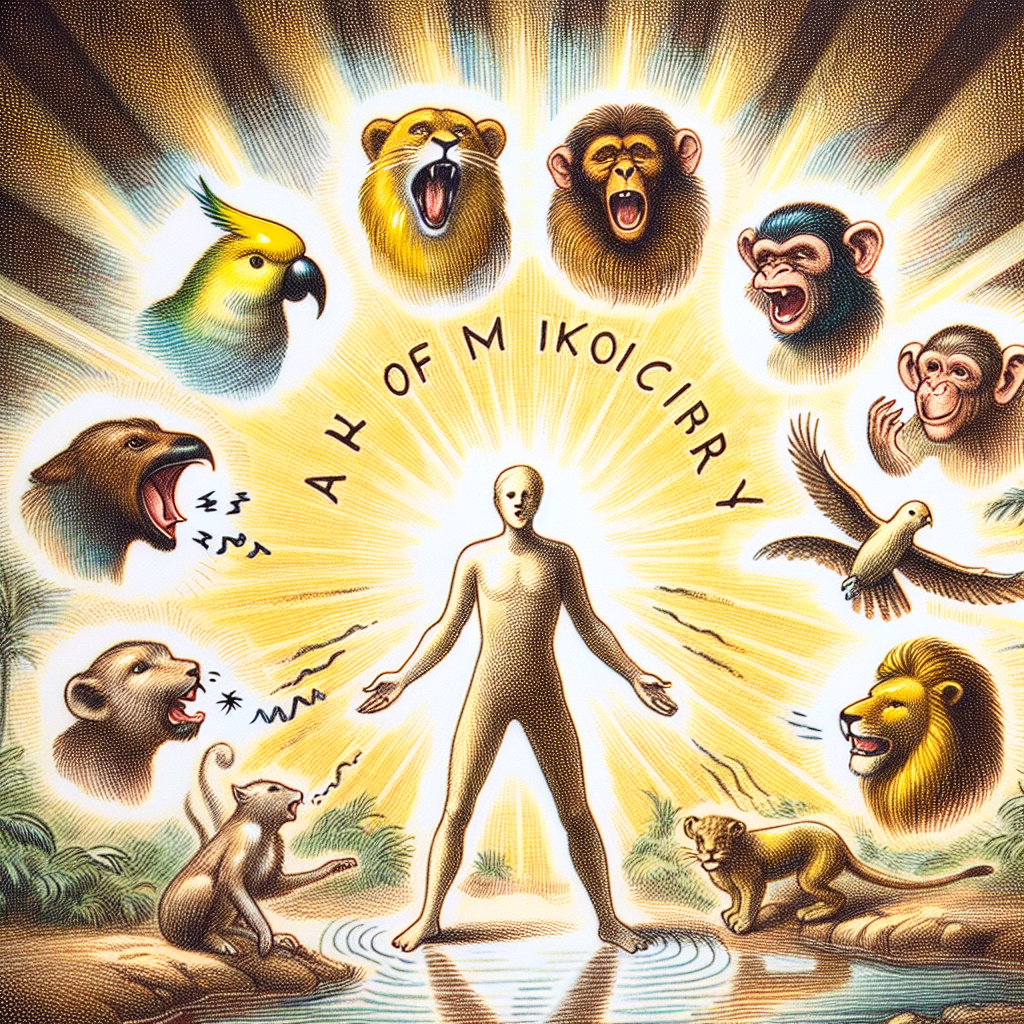
The world of entertainment has undergone a transformative journey over the decades, with artistic expressions evolving alongside technological advancements. Among the various forms of entertainment, the art of impressionism, particularly in the realm of comedy and performance, has transitioned seamlessly from stage to screen. This article explores this evolution, examining its historical roots, key figures, and the ways in which impressionists have adapted to modern media.
H3: The Birth of Impressionism
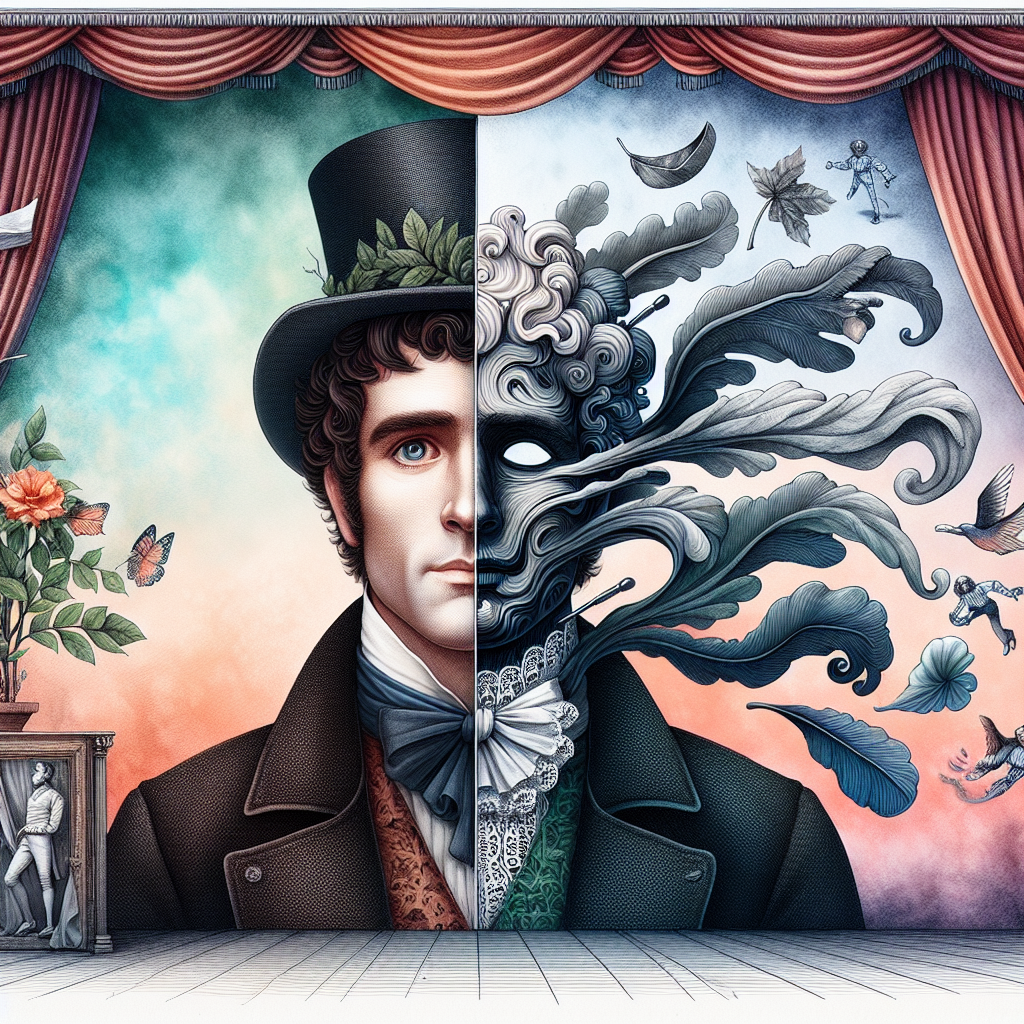
Originating in the late 19th century, impressionism was initially a movement in visual arts characterized by loose brushwork and an emphasis on light and color. In performance art, it became synonymous with the act of mimicking or capturing the essence of characters through an exaggerated lens. Figures such as Charlie Chaplin and later comedians expanded these artistic principles to create memorable personas that resonated with audiences.
H3: Transition to Film
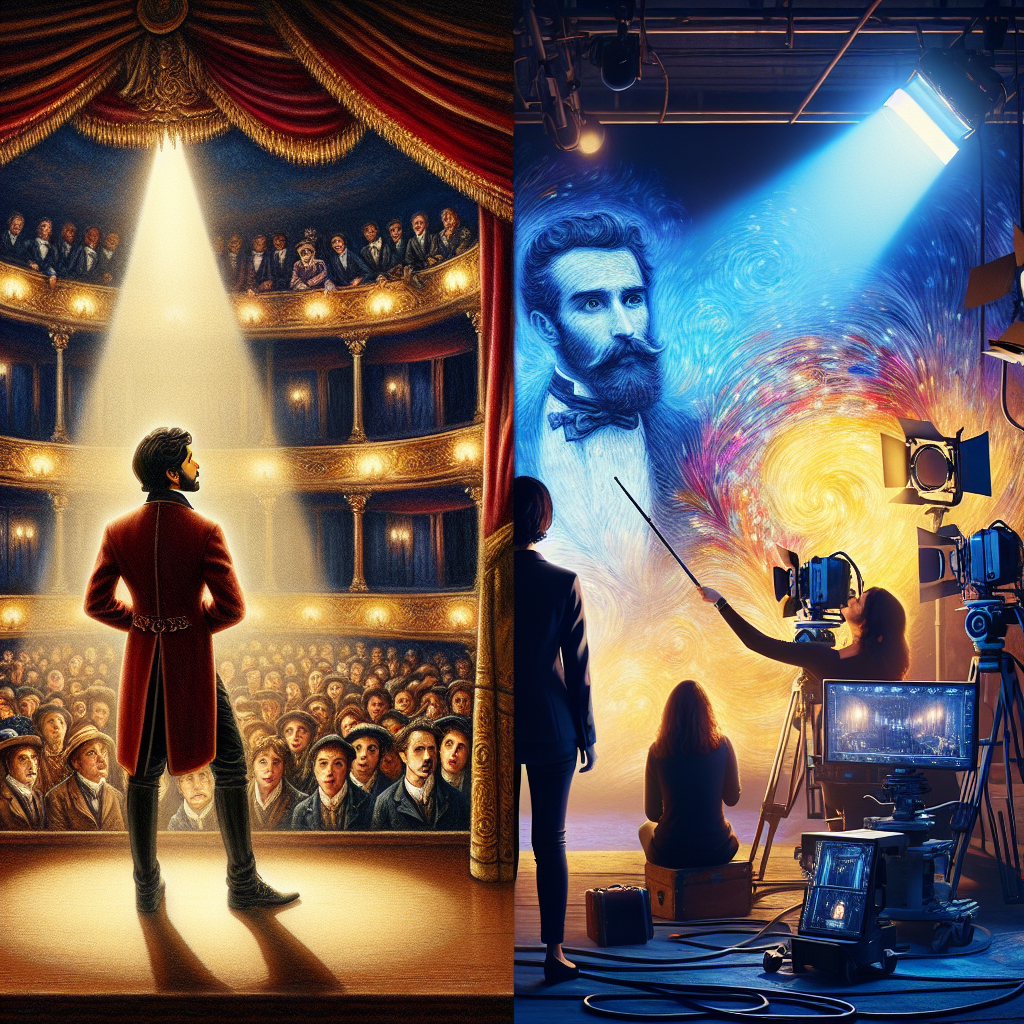
With the advent of cinema in the early 20th century, impressionists started to leverage this new medium. Silent films allowed for exaggerated facial expressions and body language, enabling performers to communicate subtle nuances without dialogue. This was a significant shift, as it opened up avenues for comedians to reach wider audiences.
H2: Icons of Impressionism on Screen
H3: Charlie Chaplin: The Pioneer
Charlie Chaplin, with his iconic “Little Tramp” character, stands as one of the first impressionists to make a substantial impact on screen. His ability to mix humor with social commentary captivated audiences during the silent film era. Chaplin’s mastery of physical comedy allowed him to convey deep emotions without uttering a single word.
H3: Today’s Stars: Robin Williams and Eddie Murphy
Fast forward to the late 20th century, and we find artists like Robin Williams and Eddie Murphy who incorporated impressionist techniques into their performances. Williams, known for his rapid-fire impressions and character switches, showcased the versatility inherent in imitation. Murphy, on the other hand, brought a contemporary flair to the art of impressionism, translating stage routines into successful film roles.
H2: The Impact of Technology on Impressionism
H3: Advancements in Filmmaking Techniques
As technology advanced, so did the techniques available to impressionists. The introduction of sound and, later, digital effects changed the landscape of performance art. Today’s performers can incorporate technologically enhanced visuals, allowing them to create more immersive and entertaining experiences. This evolution necessitates that impressionists not only hone their craft but also adapt to an ever-changing environment.
In the current digital age, platforms like YouTube and TikTok have democratized performance art. Impressionists now have a platform to reach a global audience without the constraints of traditional media channels. Viral trends and challenges often rely on comedic impressions, further integrating this art form into daily entertainment.
H2: The Art of Impressionism in the Modern Age
H3: Blending Genres
Today’s impressionists are no longer limited to traditional comedic roles. They often blend genres, fusing elements of drama, satire, and even musical performances. By doing so, they appeal to a broader audience, enhancing the richness of their art.
While modern techniques play a vital role in current performances, there is a newfound emphasis on respecting the original forms of impressionism. Audiences appreciate work that acknowledges its roots while presenting something fresh and innovative. This balance is crucial for the evolution of the form and the appreciation of its history.
H2: Challenges Faced by Modern Impressionists
H3: The Risk of Misinterpretation
As impressionism continues to evolve, artists face the challenge of being misinterpreted. In a world where social sensitivities are heightened, impressionists must navigate the thin line between parody and offense. Sensitivity to cultural nuances is essential for impressionists to maintain relevance and respect within their craft.
H3: Diverse Representation
Another challenge is ensuring diverse representation within the field. As audiences demand more authentic portrayals, impressionists are tasked with expanding their repertoire to include a broader range of voices and experiences. This inclusivity not only enriches the art form but also resonates more deeply with audiences around the globe.
H2: The Future of Impressionism in Entertainment
H3: Embracing Digital Innovations
Looking forward, impressionists will need to embrace emerging technologies, such as virtual reality and augmented reality, to create interactive experiences. By doing so, they can engage audiences on a more intimate level, merging the boundaries between performer and spectator.
H3: Sustaining Legacy and Knowledge
The future of impressionism also lies in preserving its rich legacy while fostering new talent. Educational programs and mentorship opportunities can ensure that the art form continues to thrive. Aspiring impressionists can learn from the footfalls of giants like Chaplin while adding their unique flair to the mix.
H2: Conclusion
From its stage roots to its flourishing on screen, the evolution of impressionism in entertainment underscores the adaptability and creativity inherent in this art form. As impressionists continue to blend tradition with innovation, they shape the future of entertainment, ensuring that this beloved form of artistic expression remains relevant for generations to come.
In conclusion, the world of impressionists is as dynamic as ever, merging historical principles with modern technology and social sensibilities. As we look to the future of entertainment, it becomes increasingly clear that impressionism will continue to be an essential part of this landscape, captivating audiences across various mediums.
For more insights on the art of performance and its evolution, check out our articles on The Future of Digital Storytelling and The Role of Comedy in Social Discourse.
External Links

















Comments are off for this post.