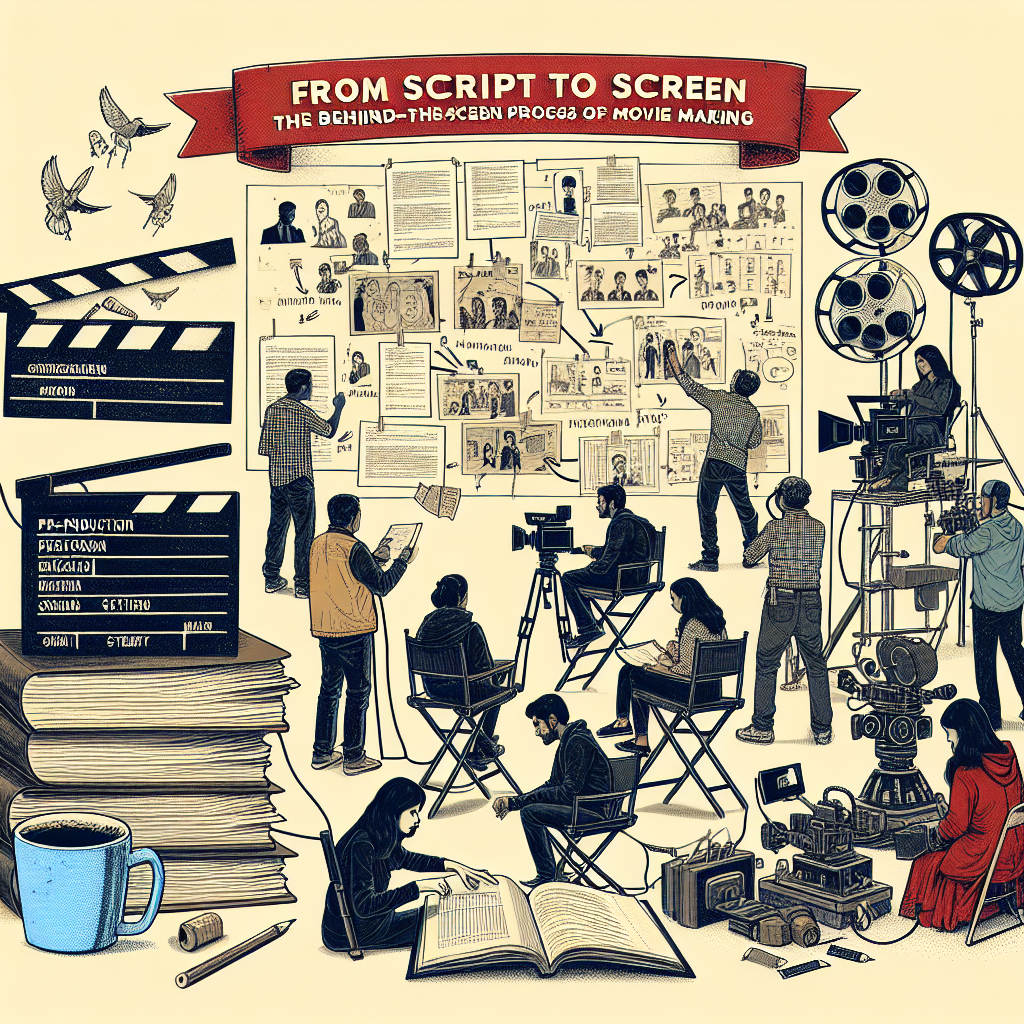
The journey from script to screen in movie making is a fascinating and intricate process that unfolds through multiple stages, each contributing to the final cinematic product we enjoy. This article delves into the essential phases of filmmaking, highlighting key aspects that entrepreneurs, marketers, and creative enthusiasts can learn from this complex art form.
Table of Contents
- Understanding the Script
- Pre-Production: Planning and Preparation
- Production: Bringing the Script to Life
- Post-Production: Editing and Finalizing
- Marketing and Distribution
- Conclusion
1. Understanding the Script
The script is the blueprint of a film. It outlines the narrative, characters, dialogues, and actions. A well-structured script is vital, as it guides the entire production process. Screenwriting involves several key elements:
1.1. Story Structure
Most screenplays follow a three-act structure, which includes setup, confrontation, and resolution. This structure maintains the audience’s interest and provides a coherent flow.
1.2. Character Development
Good scripts often feature multi-dimensional characters that evolve throughout the narrative. Understanding character arcs is crucial for filmmakers to connect with the audience emotionally.
1.3. Dialogue
Effective dialogue is vital for conveying the story and developing character relationships. It should feel natural and authentic, contributing to the overall tone of the film.
2. Pre-Production: Planning and Preparation
Once the script is polished, the next phase is pre-production. This stage lays the groundwork for the film’s actual shooting.
2.1. Casting
Casting the right actors can make or break a film. Auditions and screen tests help filmmakers find individuals who can bring their characters to life authentically.
2.2. Location Scouting
Choosing the right locations enhances the film’s visual appeal. Filmmakers often scout multiple locations, considering factors like aesthetics, accessibility, and budget.
2.3. Creating a Production Schedule
A detailed schedule helps manage time and resources effectively. It outlines shooting days, locations, and crew availability, ensuring a smooth workflow.
2.4. Budgeting
Budgeting involves estimating the total costs of production, from cast and crew salaries to set design and special effects. Finding funding sources, such as investors or film grants, is crucial.
3. Production: Bringing the Script to Life
The production stage is where filming occurs, and all pre-production efforts come to fruition.
3.1. Directing
The director plays a pivotal role in guiding the cast and crew to realize the vision defined in the script. They are responsible for setting the tone, style, and pacing of the film.
3.2. Cinematography
Cinematography involves capturing the visual elements of the film. The director of photography (DP) collaborates closely with the director to establish the look and feel of each scene using lighting, camera angles, and shot composition.
3.3. Sound Design
Sound is integral to storytelling. Sound designers create the auditory experience, which includes dialogue, sound effects, and score. This aspect is essential for enhancing emotional engagement.
3.4. Production Management
A production manager ensures that the film stays on schedule and within budget. This role involves coordinating between departments and solving unexpected issues that may arise during filming.
4. Post-Production: Editing and Finalizing
After filming, the project moves into post-production, where the final product begins to take shape.
4.1. Editing
Editing is the process of selecting and assembling the best footage to tell the story effectively. Editors work closely with directors to ensure pacing and continuity are maintained.
4.2. Visual Effects (VFX)
In many modern films, visual effects enhance the narrative significantly. VFX artists create elements that are not possible to capture on camera, adding depth and dynamism to the film.
4.3. Color Grading
Color grading involves adjusting the colors and tones of the film to achieve a specific aesthetic. This process greatly influences the mood and emotional response of the audience.
4.4. Sound Mixing
Sound mixing ensures that all audio elements—dialogue, sound effects, and music—are balanced and harmonized to create a cohesive experience.
5. Marketing and Distribution
After the film is completed, attention turns to its release and marketing strategy.
5.1. Film Festivals
Film festivals provide a platform for filmmakers to showcase their work and attract distributors and audiences. This can be an effective way to launch a film.
Creating engaging trailers and promotional material is essential for generating buzz and interest in the film. This includes posters, social media campaigns, and interviews.
5.3. Distribution Channels
Filmmakers must consider various distribution channels, including theaters, streaming platforms, and Blu-ray releases. Each channel comes with unique marketing strategies.
5.4. Audience Engagement
Engaging with the audience through social media and other platforms helps build a loyal fan base. This interaction can create excitement leading up to the film’s release.
6. Conclusion
The journey from script to screen in movie making is a meticulous and multifaceted process that requires collaboration, creativity, and strategic planning. Each phase—scriptwriting, pre-production, production, and post-production—plays a vital role in transforming an idea into a captivating visual narrative.
For entrepreneurs, marketers, and creative professionals, the film-making process offers valuable lessons in project management, storytelling, and audience engagement that can be applied across various industries.
For further exploration of related topics, consider reading:
By understanding these elements, individuals can appreciate the complexities involved in movie making and draw inspiration for their own creative ventures.






















Comments are off for this post.