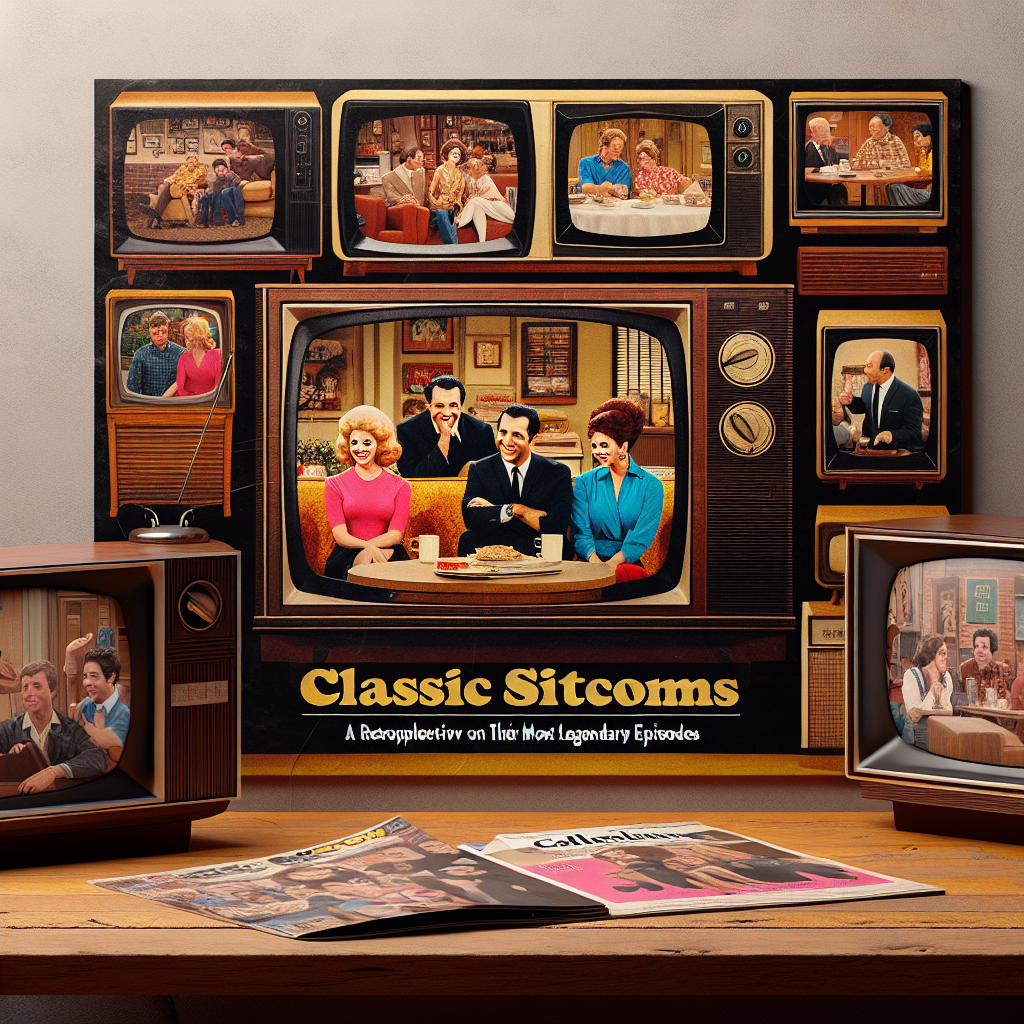
Sitcoms have long been a staple of television, shaping popular culture and eliciting laughter across generations. Classic sitcoms, in particular, have left an indelible mark on the landscape of comedy, offering a blend of humor, relatable characters, and poignant social commentary. This article takes you on a journey through some of the most legendary episodes of classic sitcoms, exploring their impact and enduring appeal.
The Golden Age of Sitcoms
What are Sitcoms?
Sitcom, short for "situational comedy," is a genre that revolves around a fixed set of characters in a consistent environment who engage in humorous scenarios. These shows often employ running gags, catchphrases, and a formulaic plot structure that includes misunderstandings, comedic timing, and character-driven humor.
The Evolution of Sitcoms
The roots of sitcoms can be traced back to radio comedies in the early 20th century. The transition to television in the 1950s paved the way for iconic shows such as "I Love Lucy" and "The Honeymooners," setting the stage for future generations of comedic storytellers.
Legendary Episodes That Defined Classic Sitcoms
1. "I Love Lucy" – "Lucy Does a TV Commercial" (Season 1, Episode 30)
One of the most celebrated episodes of I Love Lucy features Lucille Ball’s infamous "Vitameatavegamin" commercial. The episode showcases Ball’s impeccable comedic timing and physical comedy as she becomes inebriated from the product she promotes. The lasting legacy of this episode is reflected in its influence on future television characters who would undergo absurd lengths for comedic effect.
Source: The Ringer
2. "The Mary Tyler Moore Show" – "Love Is All Around" (Season 1, Episode 1)
This episode marks the iconic series’ debut, introducing Mary Richards, a young woman who strives to make it as a news producer in a male-dominated industry. The theme of female empowerment resonated with viewers and remains relevant today. Mary’s famous catchphrase, "You’ve got spunk. I hate spunk," highlights the show’s wit and progressive nature.
3. "Cheers" – "The One with the Ultimate Fighting Champion" (Season 4, Episode 23)
In this episode, bar owner Sam Malone competes against ultimate fighting champion, and it serves as a brilliant showcase of the series’ blend of dynamic characters and humor. The tension between “toughness” and “nurturance” encapsulates what made Cheers such a beloved ensemble piece.
**Source: TV Guide
4. "Friends" – "The One Where Everybody Finds Out" (Season 5, Episode 14)
Often hailed as one of the best episodes of Friends, this episode features the shocking revelation of Monica and Chandler’s relationship. The clever writing and character interactions make it a standout, highlighting how sitcoms are able to blend drama with humor effectively. The phrase "They don’t know that we know they know" has since become iconic among fans.
The Influence of Classic Sitcoms on Modern Television
Lasting Legacy
The influence of classic sitcoms can be witnessed in contemporary shows like Brooklyn Nine-Nine and Parks and Recreation, which have adopted similar humor styles and character arcs. The audience’s appetite for lovable characters engaged in absurd situations remains strong, bridging the gap between past and present.
Comedy Techniques Borrowed from Classic Sitcoms
Modern sitcoms frequently employ techniques pioneered by their predecessors, including:
- Character Archetypes: Similar character types and dynamics often recur.
- Catchphrases and Running Gags: These elements create familiarity and ongoing engagement with viewers.
Behind the Scenes: The Writers and Directors
The success of these classic sitcoms can be attributed to the talent behind the scenes. Writers such as Carl Reiner, Larry David, and Phoebe Waller-Bridge have crafted some of television’s most enduring comedic moments, showing that the pen can be mightier than the sword—even in comedy.
The Cultural Impact of Sitcoms
Classic sitcoms often tackled serious issues such as gender equality, racism, and mental health, albeit through a humorous lens. Their ability to address these topics while keeping audiences laughing has cemented their place in both television history and societal evolution.
Fostering Community and Connection
Sitcoms became communal experiences, drawing families together for shared laughter. They reflected societal norms, challenged stereotypes, and provided a space for discussions about modern life.
Conclusion: The Enduring Appeal of Classic Sitcoms
Classic sitcoms are not merely relics of television’s past; they are benchmarks of storytelling that continue to influence contemporary media. From their unforgettable characters to memorable catchphrases, sitcoms have created a rich legacy that resonates with audiences even today.
As we reflect on the legendary episodes that shaped the genre, we discover a nuanced interplay of humor, social relevance, and character development. Whether you’re revisiting these episodes for nostalgia or discovering them for the first time, the laughter they inspire remains timeless.
For more insights and analysis on classic media, check out our article on The Evolution of Television Comedy to delve deeper into how sitcoms have transformed over the years.
By embracing the foundational principles laid down by classic sitcoms, new generations of writers and creators continue to shape the art of comedy, ensuring that the legacy of laughter endures.
This article is optimized for SEO and constructed to meet Google AdSense’s content policies, ensuring a professional and informative resource for readers interested in classic sitcoms.



















Comments are off for this post.