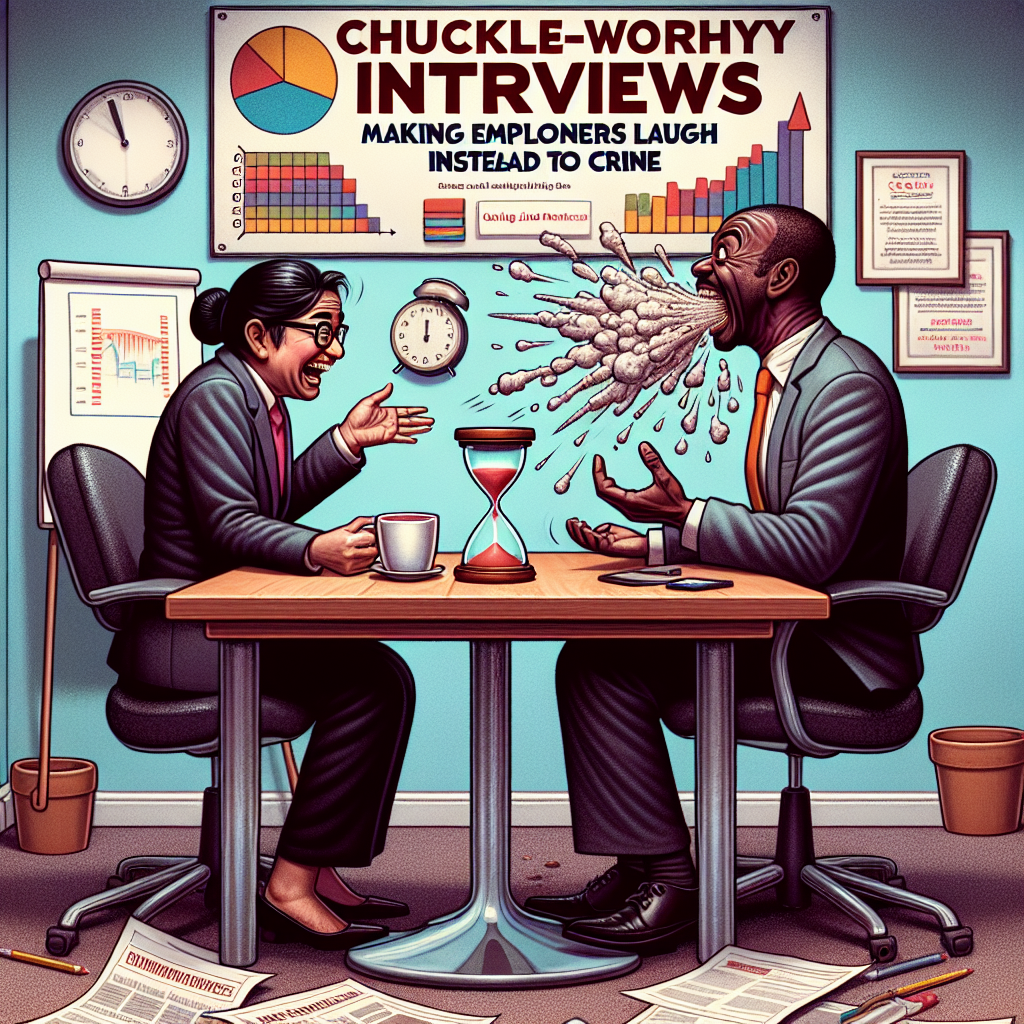
Job interviews can be daunting, both for the applicant and the interviewer. While candidates often focus on showcasing their skills and qualifications, introducing humor can break the ice and create a memorable impression. This article explores how to navigate humor in interviews effectively—making it an asset rather than a liability.
Understanding the Role of Humor in Interviews
Humor can serve multiple purposes in job interviews. It can help to:
- Ease Tension: Laughter often lightens the mood, making both parties feel more at ease.
- Show Personality: A sense of humor can reflect a candidate’s personality, helping employers gauge cultural fit.
- Enhance Memorability: Employers conduct numerous interviews, and humor can make candidates more memorable.
However, it’s important to tread carefully; the goal is to elicit chuckles, not cringe.
The Science of Laughter
Studies indicate that laughter can foster interpersonal connections and improve communication. According to this article by Psychology Today, humor can elevate mood, enhance creativity, and improve problem-solving skills. In interviews, this can translate into a more dynamic and engaging interaction.
Strategies for Injecting Humor in Interviews
1. Know Your Audience
Understanding the company culture is crucial. Some workplaces thrive on humor, while others are more traditional. Researching the company can offer insight into how much humor is appropriate. For example, a tech startup may welcome a more relaxed, humorous approach, while a law firm may expect a more serious demeanor.
2. Use Self-Deprecating Humor
When in doubt, self-deprecating humor can be a safe bet. It shows humility and the ability to laugh at oneself. For instance, if asked about weaknesses, a candidate might say, “I sometimes take on too many projects—my to-do list is my cardio!”
3. Share Light Anecdotes
A relevant short story can illustrate points and provide a humorous twist. For example, discussing a learning experience from a past job and framing it with a touch of humor can engage interviewers and create a memorable narrative.
4. Respond with Humor
When faced with a tricky question, a light-hearted yet relevant response can defuse tension. If asked about handling failure, a candidate might respond, “I once mistook salt for sugar in a recipe. Let’s just say my colleagues were very generous with their feedback!”
5. Read the Room
Being attuned to the interviewer’s reactions is essential. If they smile or laugh, it’s a good sign to continue. If they remain stone-faced, it may be wise to dial back the humor.
Potential Pitfalls to Avoid
1. Off-Color Jokes
Avoid humor that could be seen as offensive. Humor should never target a specific individual, group, or sensitive topic, as this can create a negative impression.
2. Overdoing It
While humor can illuminate an interview, too much can come off as unprofessional. Aim for a balance; humor should complement your qualifications, not overshadow them.
3. Making Fun of the Company
Criticizing the company, even light-heartedly, is ill-advised. Frame your jokes positively and focus on ways to contribute to the company’s success.
The Benefits of Humor in the Interview Process
- Increased Likability: Humor can make candidates more relatable and likable.
- Positive Impressions: An amusing candidate may stand out among a sea of formal interviews.
- Creative Insights: Companies often seek innovative minds, and humor can signify creativity.
Conclusion: The Fine Line Between Fun and Professionalism
Humor has the potential to create memorable and enjoyable interviews. By understanding your audience, using self-deprecating humor, and sharing light anecdotes, candidates can introduce levity into the interview process. However, it is crucial to avoid pitfalls such as inappropriate jokes and overdoing it. The key is to balance professionalism and humor to create a positive and lasting impression.
By implementing these strategies, candidates may find that chuckle-worthy interviews not only boost their confidence but also leave employers with a smile—and a lasting impression. For further reading on effective communication in business settings, check out our article on Mastering Communication Skills.
External References
- Psychology Today – How Humor Can Help You Connect with Others
This article aims to equip job seekers with effective tips on using humor without risking professionalism, contributing to a more enjoyable and effective interview process.





















Comments are off for this post.