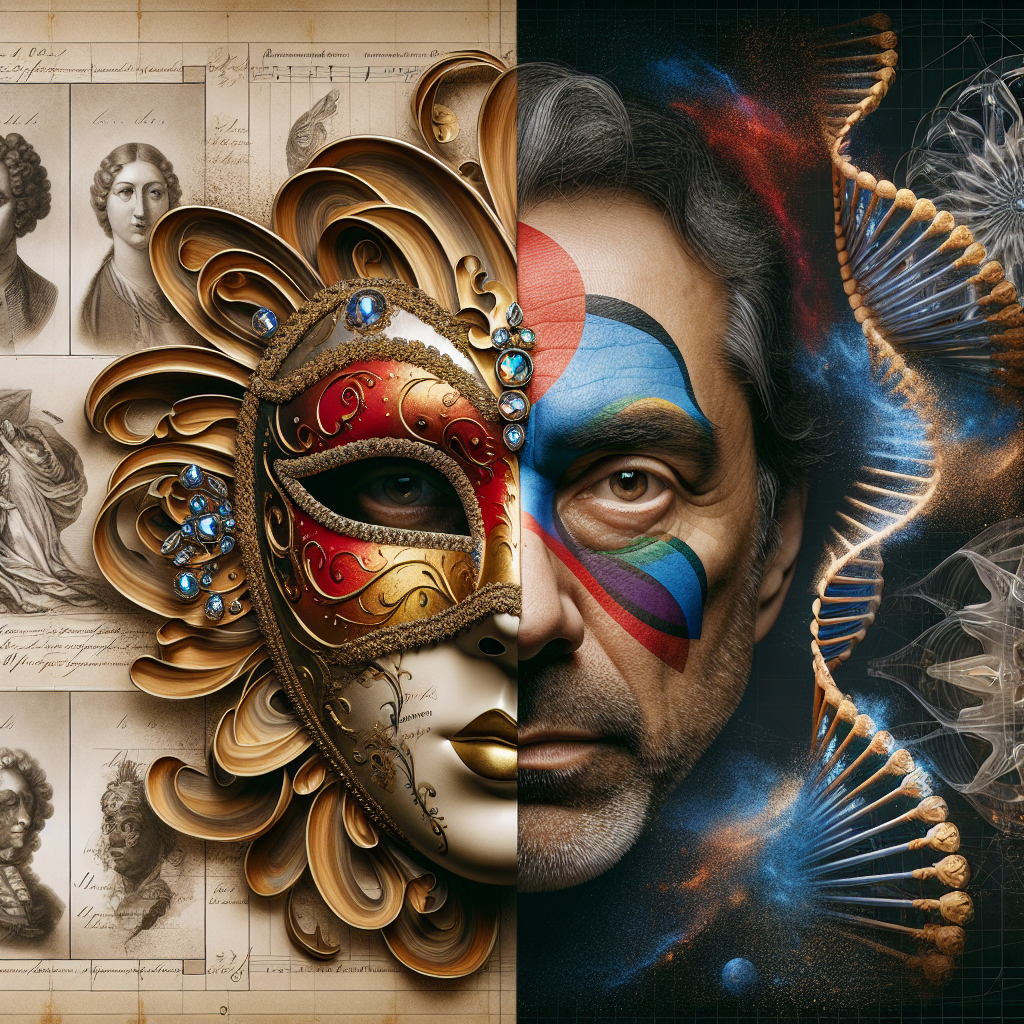
Impersonation has long been a fascinating subject in both the entertainment industry and various professional fields. Whether you think of celebrity impersonators, voice actors, or even actors in dramatic roles, the ability to take on a different identity fosters a unique artistic expression. Beyond mere mimicry, impersonation combines art and science in intriguing ways. This article explores the nuances of impersonation, examining its psychological, sociocultural, and professional dimensions.
H1: What is Impersonation?
Impersonation can be simply defined as the act of mimicking, often for comedic or entertainment purposes. The impersonator adopts the mannerisms, speech patterns, and even physical traits of the person they are mimicking. This practice can serve various purposes—from humor and entertainment to social commentary or even marketing strategies.
H2: Historical Context
Impersonation has roots in various forms of art throughout history. From ancient theater in Greece and Rome to traditional forms of entertainment like commedia dell’arte, impersonation has always held a vital role in storytelling. Over time, it evolved into a craft, as performers honed their skills to offer audiences a reflective or exaggerated version of reality.
In the contemporary era, impersonation has found new platforms, especially with the rise of television, film, and social media. Shows like "Saturday Night Live" and "The Tonight Show" have popularized the art of impersonation, making it accessible to broader audiences. This evolution has turned impersonation into a lucrative profession for many aspiring comedians and actors.
H1: The Psychology Behind Impersonation
Understanding the psychological dimensions of impersonation adds depth to its significance. The act of impersonation is not merely physical; it involves cognitive processes that help the impersonator embody the persona fully.
H2: The Art of Observation
Great impersonators are keen observers. They analyze nuances in body language, vocal inflections, and emotional expressions. This ability to observe and imitate effectively draws upon the principles of social psychology, such as the concept of mirroring—a phenomenon wherein individuals subconsciously imitate each other’s gestures and behaviors.
H2: Empathy and Perspective-Taking
Impersonators often require a high level of empathy, allowing them to understand the emotions and motivations of the person they are portraying. This aspect can lend depth to their performances, enriching their impersonations and fostering audience connection.
H1: The Technical Aspects of Impersonation
H2: Voice and Vocal Manipulation
Vocal impersonation is one of the critical components of the craft. Voice modulation techniques can be learned through various methods, including training with vocal coaches. Techniques such as pitch shifting, resonance adjustment, and emotional conveyance are essential for accurately portraying a particular voice.
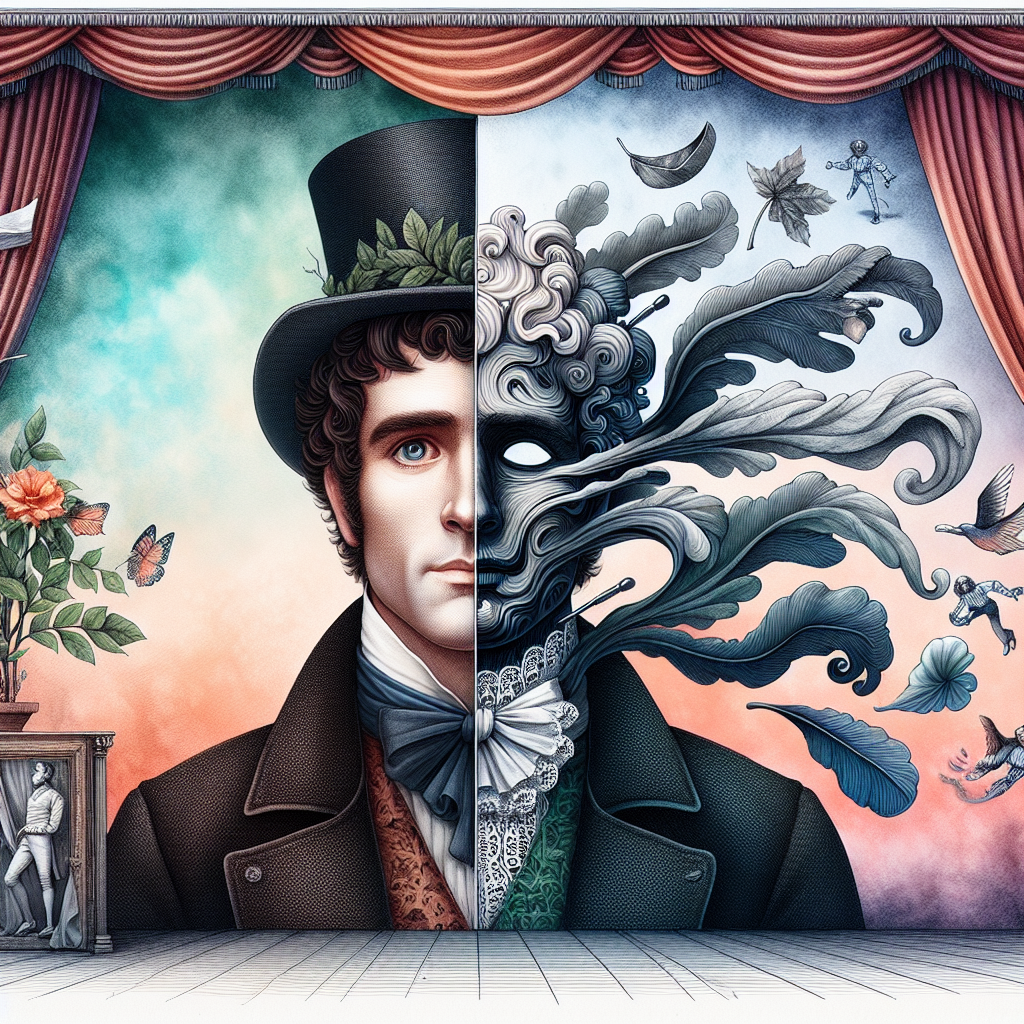
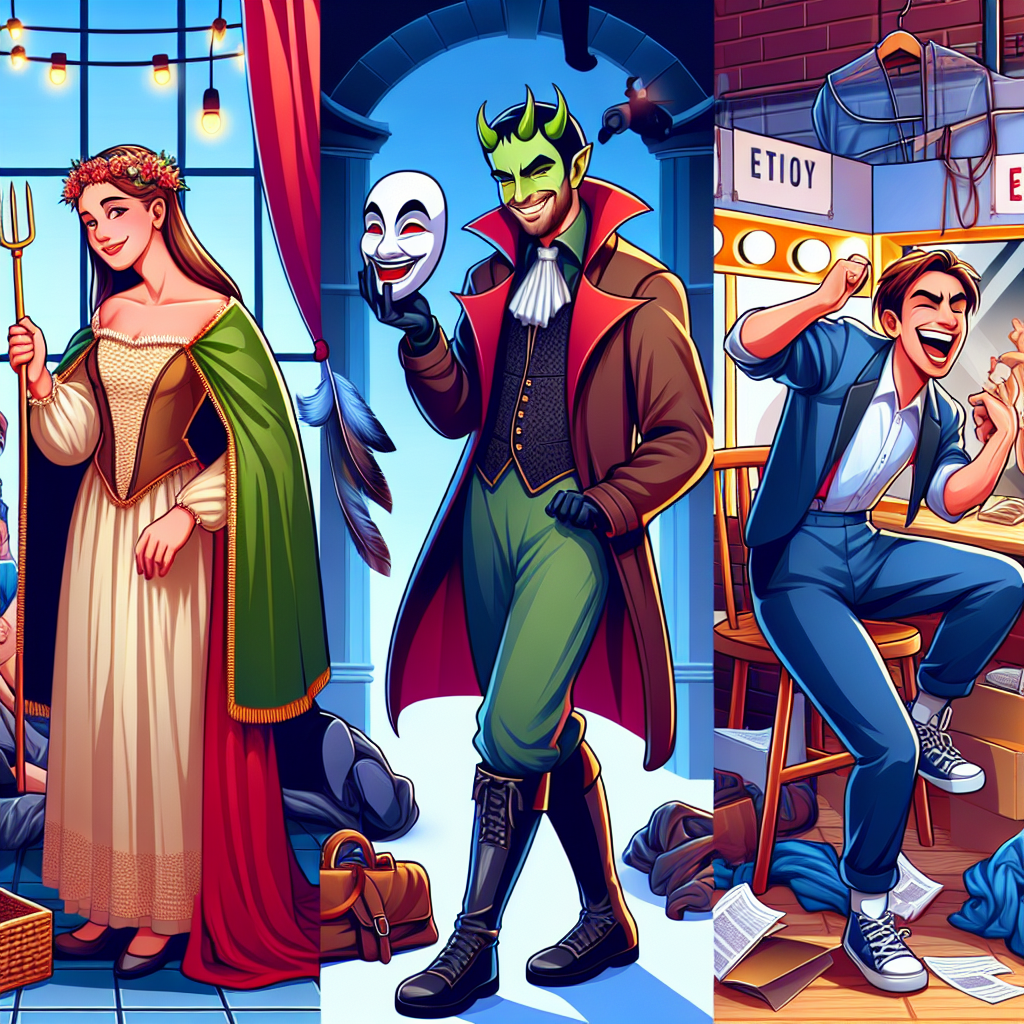
Body language plays a crucial role in impersonation. An impersonator must study the physical traits of the person they are mimicking, from their posture to specific gestures. Some performers even use makeup or costumes to augment their transformation, blurring the lines between themselves and the persona they embody.
H2: Improvisation Skills
While meticulous preparation is vital, great impersonation often involves the ability to think on one’s feet. This improvisational skill allows performers to adapt their act according to audience reactions, enhancing engagement and entertainment value.
H1: Applications of Impersonation
Impersonation isn’t limited to the entertainment sector; it has various applications across different fields.
H2: Marketing and Brand Representation
In a business context, impersonation can serve as a powerful marketing tool. Brands often employ impersonators to resonate with their target audience, thereby making their campaigns more relatable and memorable. For instance, using celebrity impersonators in advertisements can leverage the audience’s existing affinity for that celebrity, enhancing brand recall.
H3: Educational Impersonation
Impersonation is also employed in educational settings, particularly in role-playing exercises. Educators use this technique to foster understanding of diverse perspectives, allowing students to explore historical figures or significant individuals within a controlled setting.
Comedians and satirists utilize impersonation to critique social norms and political situations. By adopting the personas of public figures, they can offer commentary that resonates deeply with current events, challenging audiences to rethink their stances.
H1: Ethical Considerations in Impersonation
As with any art form, ethical considerations come into play with impersonation. While it can serve various beneficial purposes, impersonation may also cross lines into misinformation or defamation, especially if the portrayal misrepresents the original individual in harmful ways.
H2: Consent and Representation
A vital aspect of ethical impersonation is the question of consent. For example, using someone’s likeness for commercial purposes without permission can lead to potential legal issues. Ethical impersonators navigate these waters carefully, ensuring that they maintain respect for the individuals they mimic.
H1: Conclusion
The art and science of impersonation offer a rich field of exploration. From its historical roots to its applications in modern society, impersonation showcases the diverse ways humans communicate and empathize with one another. Whether through comedy, education, or social commentary, impersonation remains a powerful tool for connection and expression.
For further reading, explore more about marketing strategies and their innovative approaches in articles related to small business growth and branding effectiveness on our website.
Additional Resources
Embrace the art of impersonation, and you might just find a new way to connect with your audience, whether in marketing or performance!




















Comments are off for this post.