The world of art is a vibrant tapestry woven with diverse narratives, each reflecting the unique journey of the artist behind it. Understanding these journeys not only enriches our appreciation of the art itself but also bridges a connection between the viewer and the creator. In this article, we will delve into the stories behind various artists, explore their creative processes, and highlight how their backgrounds and experiences influence their work.
The Essence of Artistic Journey
Understanding the Artistic Process
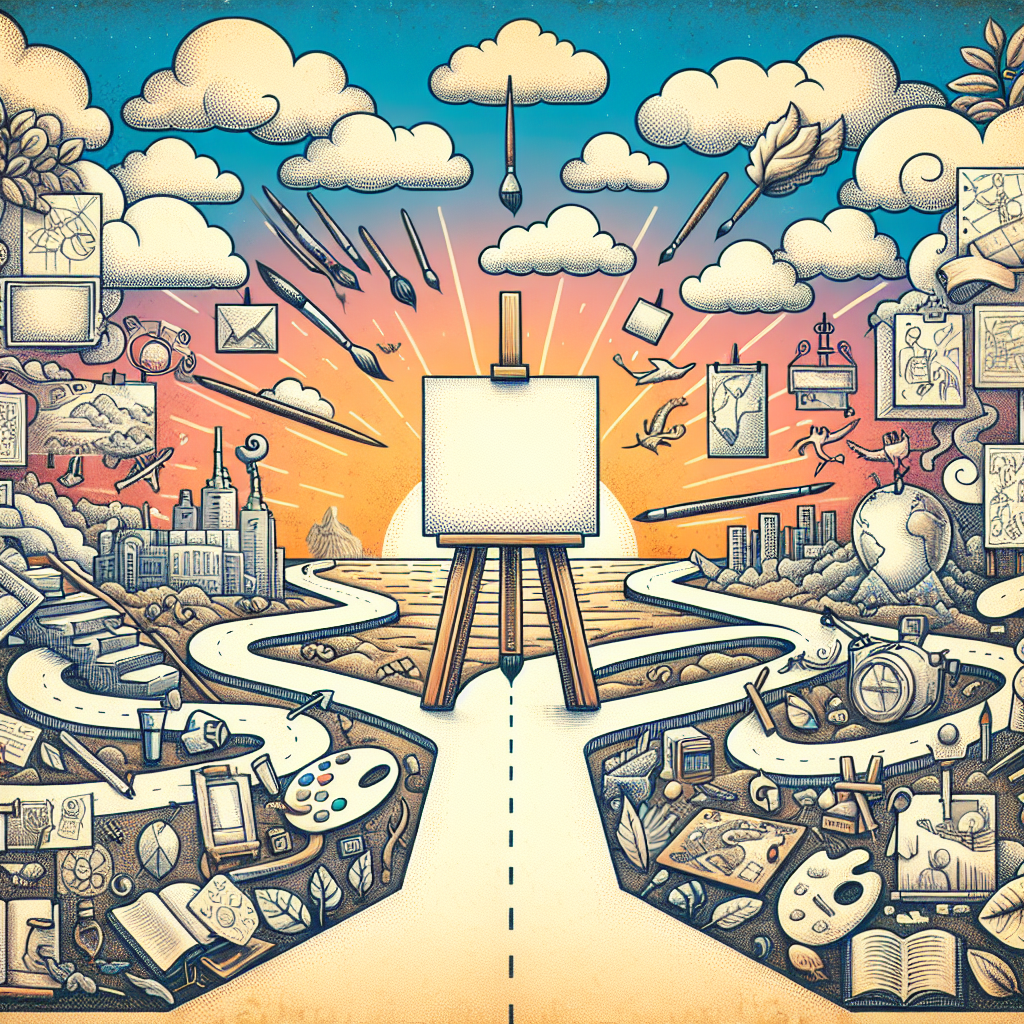
Art is often seen as a product, yet it is crucial to understand it as a process. The journey of an artist encompasses inspiration, experimentation, hardships, and growth. Artists often draw from their environments, personal experiences, and societal issues which shape their creative expressions.
Key Inspirations
Many artists find inspiration in their surroundings, relationships, and cultural backgrounds. Whether it’s the vibrant streets of a city or the serene calm of nature, their environments play pivotal roles in shaping their initial ideas.
The Impact of Background
The background of an artist influences their perspective and, subsequently, their art. For instance, an artist who grew up in a multicultural environment may incorporate diverse elements into their work, reflecting a broad spectrum of experiences.
Notable Artists and Their Journeys
Vincent van Gogh
One of the most renowned figures in the art world, Vincent van Gogh, exemplifies how personal struggle can fuel creativity. Van Gogh’s tumultuous mental health issues were intricately tied to his artistic output—filled with emotion, his paintings convey his inner turmoil and passion for life.
Analysis of Van Gogh’s Work
His use of color, distinct brushstrokes, and emotive subjects invite viewers into his world. Today, van Gogh’s works, like "Starry Night" and "Sunflowers," hold significant cultural value and continue to influence countless artists.
Frida Kahlo
Frida Kahlo’s art reflects her personal experiences, including pain, identity, and femininity. Kahlo’s life was marked by physical suffering, including a severe bus accident, which inspired many of her self-portraits.
The Feminist Icon
Kahlo is regarded as a feminist icon, and her work addresses complex themes of gender, class, and race in Mexican society. She invites conversations about identity, making her art incredibly relevant today.
The Role of Technique in Artistic Journeys
Experimentation and Growth
Most artists go through various phases of experimentation to refine their techniques and style. This evolution often mirrors their personal growth, showcasing how they adapt to changing circumstances and influences.
From traditional paint to mixed media, the tools an artist chooses can reflect their journey. Each medium has its own set of challenges and possibilities, including the tactile connection with materials that inform their creative process.
Learning from Failure
Failure is an inevitable part of the creative process. Artists often learn more from their missteps than their successes. This resilience is what propels them to explore new boundaries and innovate further.
Experiencing Art: The Viewer’s Journey
Engaging with Art
As much as the artist’s journey is crucial, the viewer’s experience is equally significant. Engaging with a piece of art opens avenues for personal reflection, allowing individuals to connect their own stories with those of the artist.
Art in Social Context
Art does not exist in a vacuum. It often reflects societal issues, prompting discussions and encouraging viewers to think critically about the world around them. This interaction enriches the cultural dialogue and fosters a deeper understanding of the human experience.
The Modern Artist’s Journey
With the advent of digital technology, the way artists share their work has evolved dramatically. Social media platforms provide unprecedented access to audiences, allowing artists to showcase their journeys and connect with fans globally.
Artists today can cultivate personal brands, share their processes, and even sell their work directly through online platforms. This shift has democratized art, allowing for a more diverse range of voices and stories to emerge.
The Challenges Faced
While digital platforms offer opportunities, they also present challenges. The pressure to maintain an online presence can be overwhelming, sometimes leading to burnout. Artists must navigate the balance between sharing their journeys authentically while protecting their creative processes.
Conclusion
The journey of an artist is a multifaceted experience shaped by personal history, cultural context, and external influences. By exploring the stories behind the canvas, we gain an appreciation not only for the art itself but also for the individuals who create it.
Engaging with art allows for a richer understanding of both the artist’s journey and our own, fostering connections that transcend time and space. Whether one is a seasoned art lover or a casual observer, there is always something to learn and discover about the world of art.
For further exploration of creative processes, consider reading The Value of Art in Business. Explore how understanding art can enhance entrepreneurship and marketing strategies.
References
By delving behind the canvas, we uncover the myriad of experiences that shape not only the contours of a painting but also the essence of the artist’s soul. Whether struggling with personal issues or celebrating triumphs, each journey offers valuable lessons and profound insights, echoing the universal quest for meaning and connection through art.




















Comments are off for this post.