Filmmaking is an intricate blend of art and craftsmanship that captivates audiences around the globe. The journey from script to screen is often a complex tapestry woven with inspiration, technical skill, and countless challenges. This article delves deep into the multifaceted world of filmmaking, exploring its artistic elements, technical challenges, and the evolving landscape of the film industry.
What is Filmmaking?
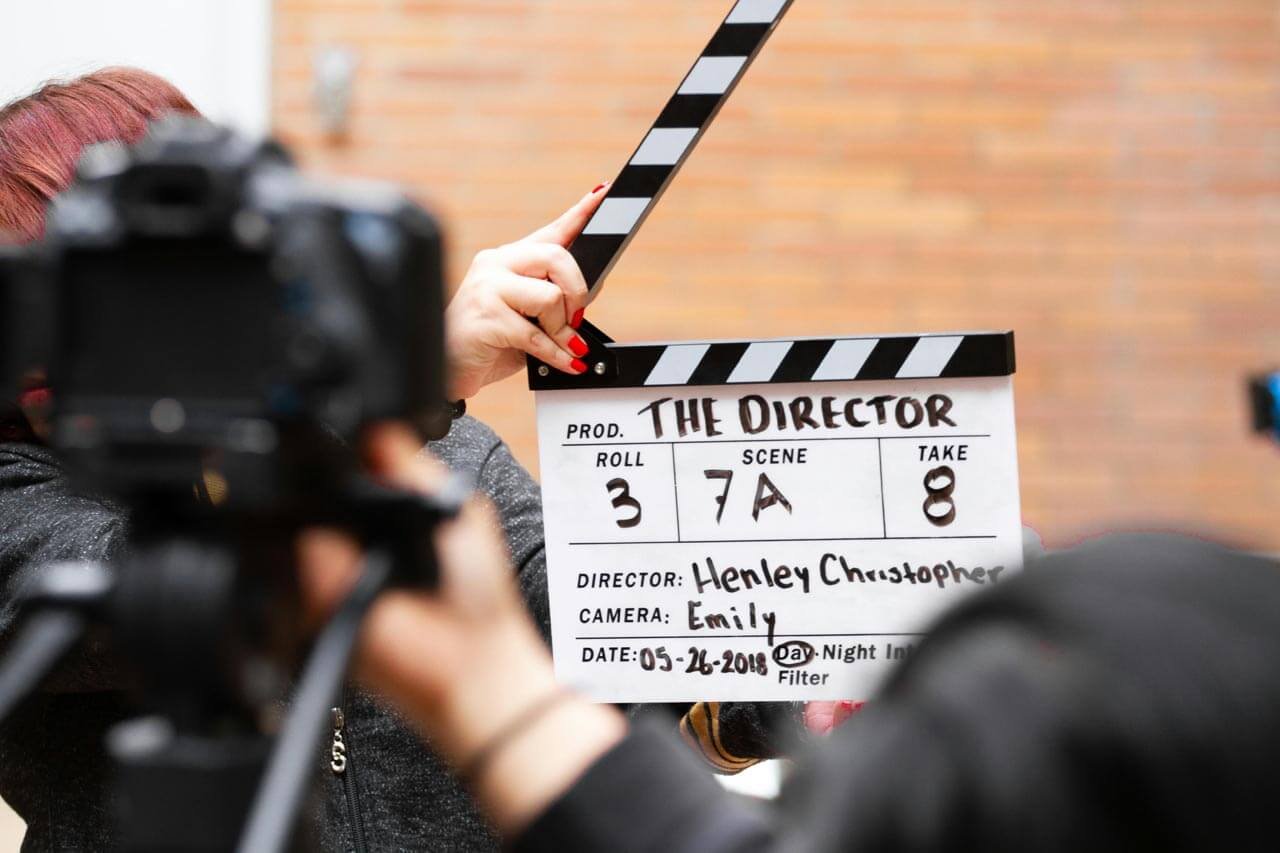
Filmmaking is the process of creating a film, encompassing the various stages involved, including development, pre-production, production, post-production, and distribution. It is not merely about capturing moving images; it’s about storytelling, evoking emotions, and creating a shared experience.
The Development Phase
The development phase is the starting point of any film. It is where ideas are born and scripts are written. During this phase, filmmakers often consider the following:
- Scriptwriting: Crafting a compelling narrative is crucial. The script serves as the blueprint for the entire film.
- Genre Consideration: The genre influences the film’s tone, style, and target audience. Understanding market trends can also play a significant role in this phase.
- Budget Planning: Estimating the budget and securing financing is essential. Various funding options, including private investors and crowdfunding, can be explored.
The Art of Storytelling in Filmmaking
At its core, filmmaking is about storytelling. Successful films are often built around robust narratives that engage viewers emotionally.
Elements of Storytelling
- Character Development: Well-rounded characters drive the narrative. Audiences need to connect with them on an emotional level.
- Conflict and Resolution: Every story needs conflict to keep the audience engaged. The resolution allows for a satisfying conclusion that can resonate with viewers.
- Themes and Messages: Filmmakers often embed broader themes within their narratives. These messages can range from societal issues to personal journeys.
Visual Storytelling
Visual storytelling is a unique aspect of filmmaking that leverages imagery to convey emotions and enhance narratives.
- Cinematography: The use of camera angles, lighting, and composition plays a significant role in how a story is perceived. For detailed insights into cinematography techniques, check this external source.
- Production Design: The visual elements of a film, from sets to costumes, contribute immensely to world-building. A well-designed set can transport audiences into the film’s universe.
Pre-Production: Laying the Groundwork
Once the script is finalized, filmmakers enter the pre-production stage, where meticulous planning occurs.
Key Pre-Production Tasks
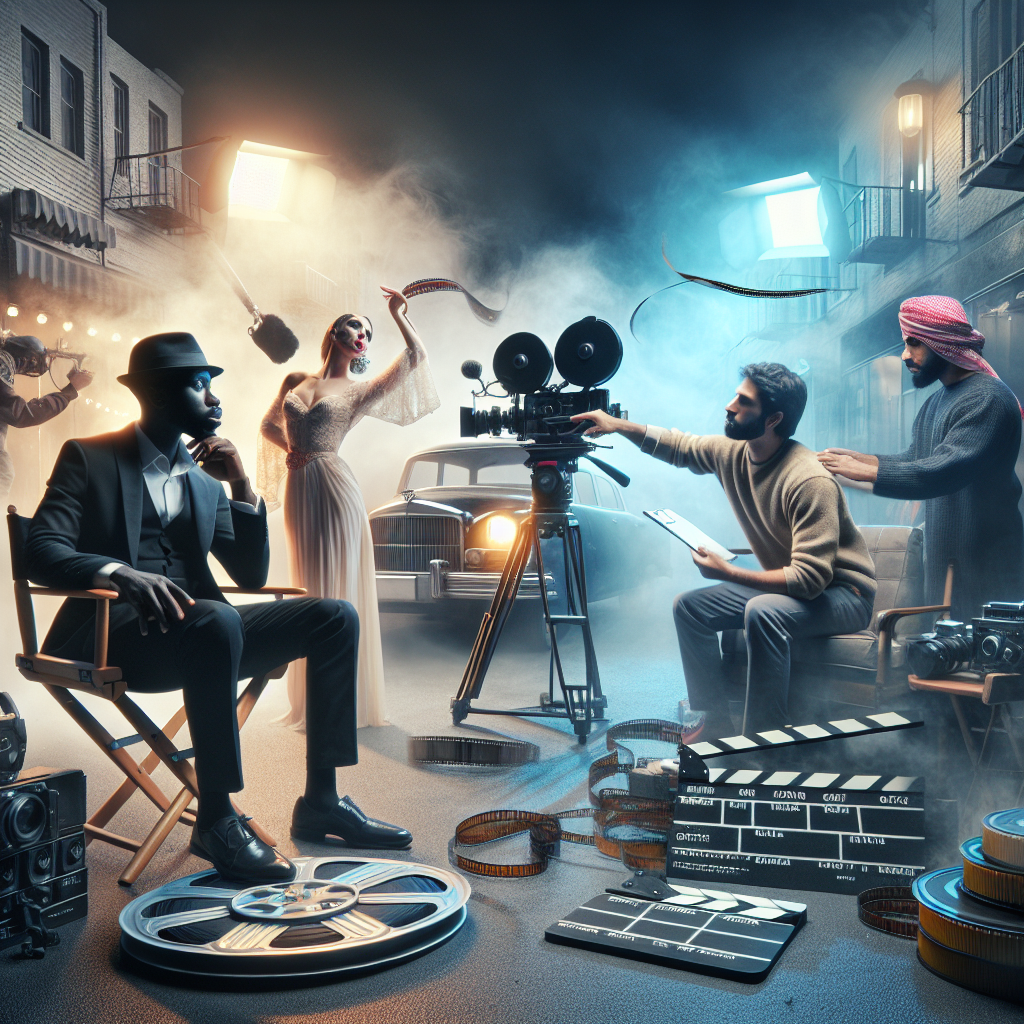
- Casting: Selecting the right actors can drastically impact the film’s success. Successful casting can bring characters to life in ways that resonate with audiences.
- Location Scouting: Choosing the right locations is crucial for authenticity. Filmmakers often scout multiple sites to find the perfect backdrop that aligns with the story.
- Scheduling: Creating a shooting schedule that accounts for weather, location availability, and actor schedules is essential for efficient production.
The Production Phase
Production is the phase where the film is actually shot. It is often the most exciting yet challenging part of the filmmaking process.
Challenges During Production
- Time Management: Filmmakers often face tight shooting schedules. Delays can lead to increased costs and complicate logistics.
- Technical Difficulties: Issues with equipment, sound, and lighting can arise unexpectedly. Having a skilled crew is vital for troubleshooting.
- Actor Performance: Often, the performance of actors can fluctuate. Maintaining a consistently high standard is crucial for continuity.
Post-Production: Crafting the Final Product
After filming wraps, the post-production phase begins, where the filmed content is transformed into a cohesive story.
Key Components of Post-Production
- Editing: This is where the film is assembled. The editor must choose the best takes and create a seamless narrative flow.
- Sound Design: Sound effects and music are integrated to enhance the emotional impact. The score can significantly influence the audience’s connection to the film.
- Visual Effects (VFX): In many contemporary films, VFX play a crucial role. Filmmakers must balance creativity with practical effects to create a stunning visual experience.
The Evolving Landscape of Filmmaking
Innovation in technology has significantly influenced filmmaking. Advances in camera technology, editing software, and distribution methods have reshaped how films are made and consumed.
Digital Filmmaking
The rise of digital cameras and editing software has revolutionized the industry. Filmmakers can now produce high-quality films at a fraction of the cost of traditional methods. This accessibility has democratized filmmaking, allowing aspiring filmmakers to enter the industry more easily.
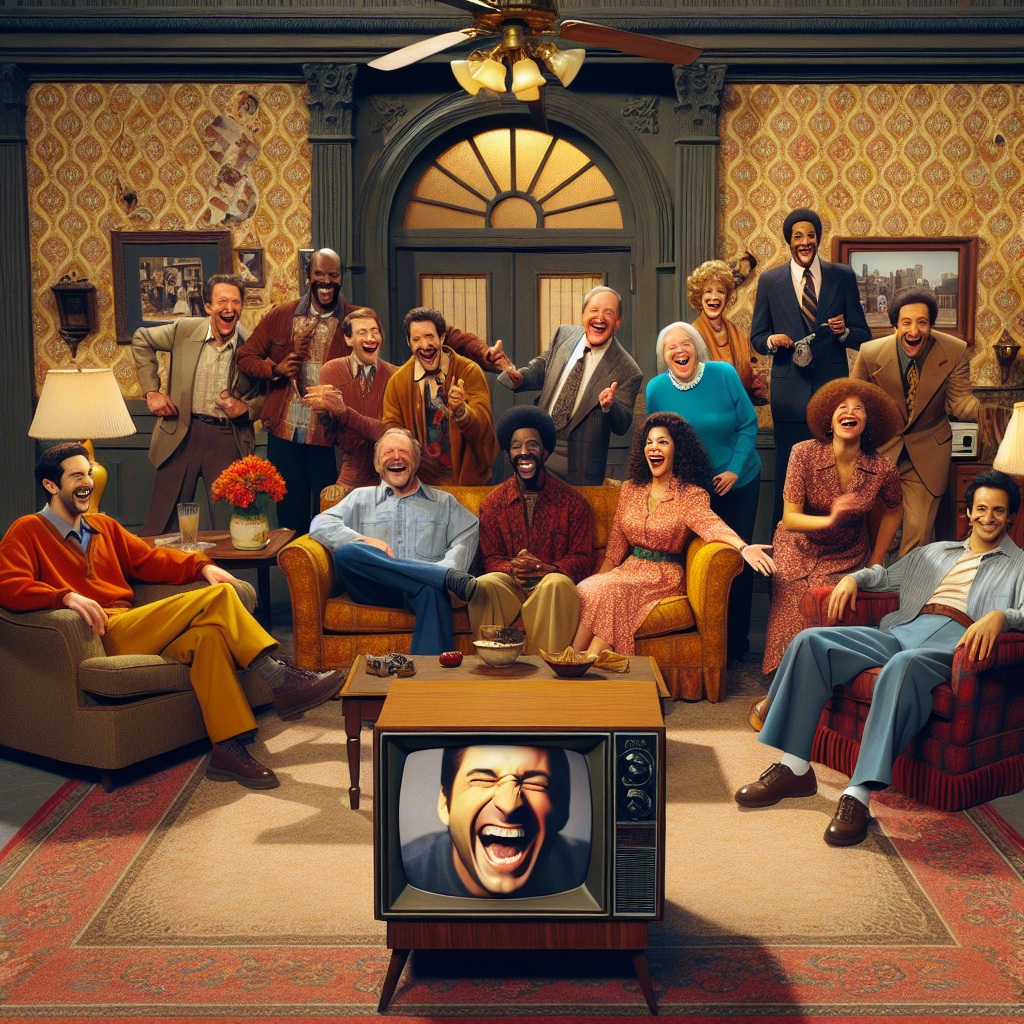
The advent of streaming platforms has transformed the distribution landscape. Films can now reach global audiences without the need for traditional theater releases. This shift offers filmmakers new opportunities but also poses challenges in terms of visibility among vast online content.
Conclusion: The Future of Filmmaking
Filmmaking is an ever-evolving field that requires a blend of artistic vision and technical knowledge. As technology continues to advance, so too will the methods and mediums through which filmmakers tell their stories. Those who adapt and innovate will thrive in this dynamic landscape.
Ready to Dive Deeper?
For entrepreneurs and marketers interested in exploring the applications of visual storytelling in business, check out our article on Digital Marketing Strategies.
Filmmaking is a challenging yet rewarding craft that impacts audiences worldwide. Understanding its nuances not only celebrates the art form but also aids aspiring filmmakers in navigating their own journeys.
By appreciating the intricacies Behind the Lens, we can further recognize the significant cultural and aesthetic contributions that films make to society.



















Comments are off for this post.