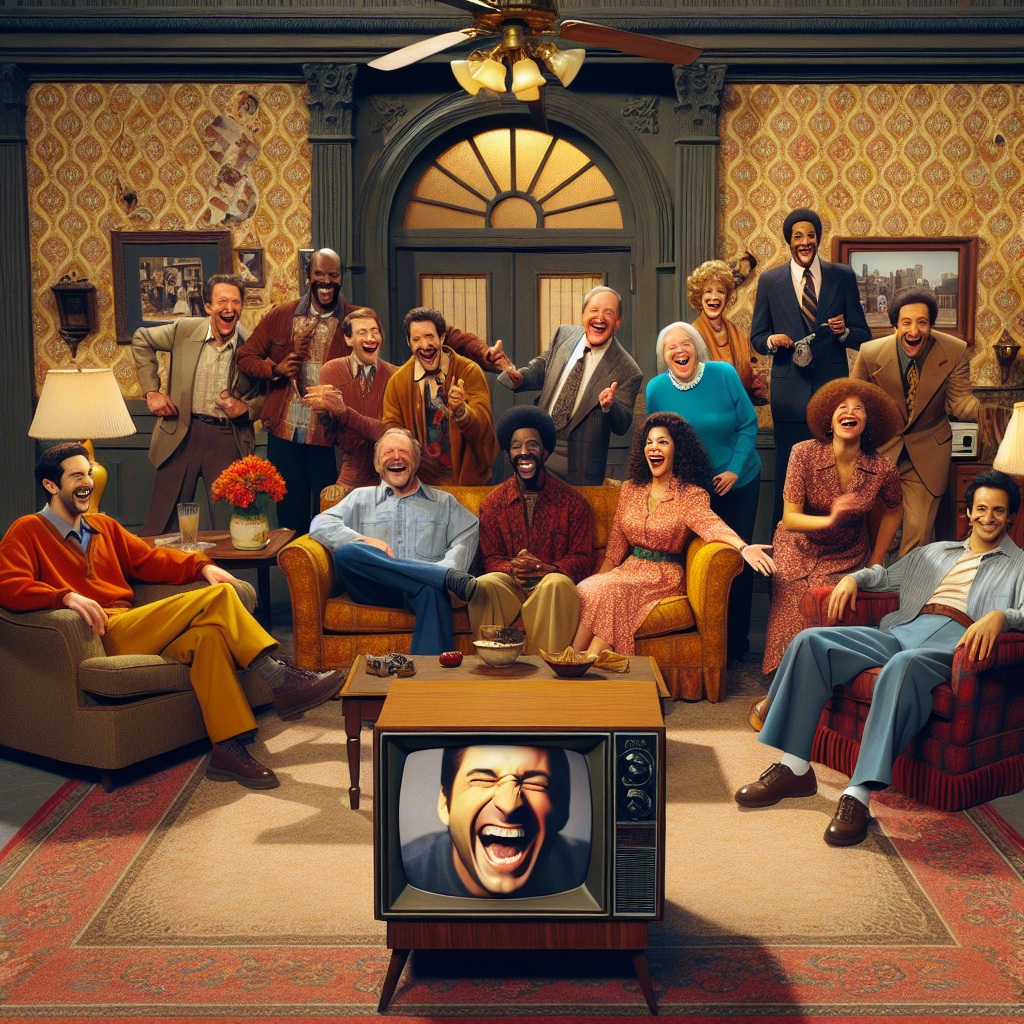
Sitcoms have long been a beloved part of television history, with their unique ability to combine humor, relatable situations, and memorable characters. From laugh tracks to iconic catchphrases, these shows have left an indelible mark on popular culture. As we revisit some of the most hilarious moments in sitcom history, we find not only comedy but also a deeper connection to the experiences and struggles of everyday life. This article will explore the elements of sitcoms that evoke nostalgia and analyze the moments that made us laugh, cry, and ultimately feel understood.
The Evolution of Sitcoms: A Brief Overview
The Birth of the Sitcom
The sitcom, or "situation comedy," has its roots in early radio shows, with programs like "Amos ‘n’ Andy" paving the way for television adaptations. The transition from radio to television in the 1950s gave birth to icons like "I Love Lucy," which remains a significant landmark in sitcom history. Lucille Ball’s comedic genius and the show’s ability to address contemporary social issues made it a classic that continues to resonate today.
The Impact of Social Change
Over the decades, sitcoms have evolved alongside society, reflecting cultural shifts and challenging norms. The 1970s saw shows like "The Mary Tyler Moore Show" and "All in the Family," which tackled issues like gender roles and racial discrimination. By the 1990s, sitcoms such as "Friends" and "Seinfeld" captured the essence of young adulthood, focusing on relationships, friendship, and the struggles of urban living.
Hilarious Moments That Shaped Sitcom History
1. Classic Catchphrases
Catchphrases have become a hallmark of sitcoms, often serving as a source of comedic relief and memorable moments. For example, who can forget the iconic line "How you doin’?" from Joey Tribbiani in "Friends"? Such phrases not only define a character but also become a part of everyday language. Studies show that catchphrases can foster viewer engagement and brand loyalty, demonstrating their importance in sitcom success (source).
2. The Role of the Ensemble Cast
Sitcoms often rely on ensemble casts to create dynamic interactions that lead to memorable moments. "The Office," for example, features a diverse group of characters whose unique personalities contribute to countless hilarious situations. The interactions between characters like Jim, Pam, and Michael Scott have generated some of the show’s most quotable lines and unforgettable scenes. The chemistry within the cast plays a pivotal role in creating a relatable and humorous atmosphere.
3. Physical Comedy and Slapstick
Visual humor is a timeless component of sitcoms that never fails to elicit laughter. Classic examples include the antics of "I Love Lucy," where Lucy’s physical comedy often led her into outrageous situations. This form of humor is not only entertaining but also reinforces the universal nature of comedy, appealing to a broad audience. According to comedy experts, physical humor stimulates laughter by creating a sense of surprise or absurdity (source).
The Nostalgia Factor: Why We Love Revisiting Sitcoms
1. Comfort and Escapism
Nostalgia plays an essential role in our love for sitcoms. As entrepreneurs and small business owners navigate the stresses of daily life, revisiting old sitcoms provides a comforting escape. Shows like "Parks and Recreation" and "Frasier" remind us of simpler times, evoking feelings of warmth and connection. Research suggests that nostalgic memories can enhance mood and increase feelings of belonging, making sitcoms a powerful tool for stress relief (source).
2. Shared Cultural Experiences
Sitcoms also create shared cultural experiences that foster community. Many of us have fond memories of gathering around the television with family or friends to watch our favorite shows. This collective experience strengthens social bonds and creates lasting memories. For modern marketers, leveraging nostalgia can be a powerful strategy in connecting with audiences and enhancing brand loyalty.
The Future of Sitcoms: Trends and Innovations
The emergence of streaming services has transformed the way we consume sitcoms. Platforms like Netflix and Hulu offer extensive libraries, allowing viewers to binge-watch entire series. This shift has also paved the way for new formats and innovative storytelling approaches, introducing audiences to fresh comedic voices and perspectives. As the landscape evolves, traditional sitcoms face competition from formats that blend genres, pushing boundaries in the realm of comedy.
2. Inclusivity and Representation
Contemporary sitcoms are increasingly focused on inclusivity and representation, crafting narratives that resonate with diverse audiences. Initiatives to showcase underrepresented voices have led to a surge of innovative and culturally enriched content. Shows like "Brooklyn Nine-Nine" and "Black-ish" not only entertain but also educate and promote social consciousness, reflecting the priorities of today’s viewers.
Conclusion: The Timeless Appeal of Sitcoms
As we revisit the hilarious moments that have shaped sitcom history, it’s clear that these shows continue to play a vital role in our lives. The laughter they bring helps us connect with our own experiences and navigate the complexities of life. Whether through classic catchphrases, ensemble casts, or physical comedy, sitcoms remind us of the shared human experience, offering laughter in times of joy and solace in moments of struggle.
The future of sitcoms looks bright, with new voices and inclusive narratives emerging to captivate audiences. As we embrace this evolution, we will undoubtedly cherish the nostalgic moments that have defined this beloved genre.
Internal Links
For further reading on creating engaging content in various formats, check out our article on Creative Storytelling Techniques.
By reflecting on the past and exploring the future, we celebrate the enduring charm of sitcoms while embracing the ever-changing landscape of comedy.



















Comments are off for this post.